
· by Hanna Carolina · 6 min read
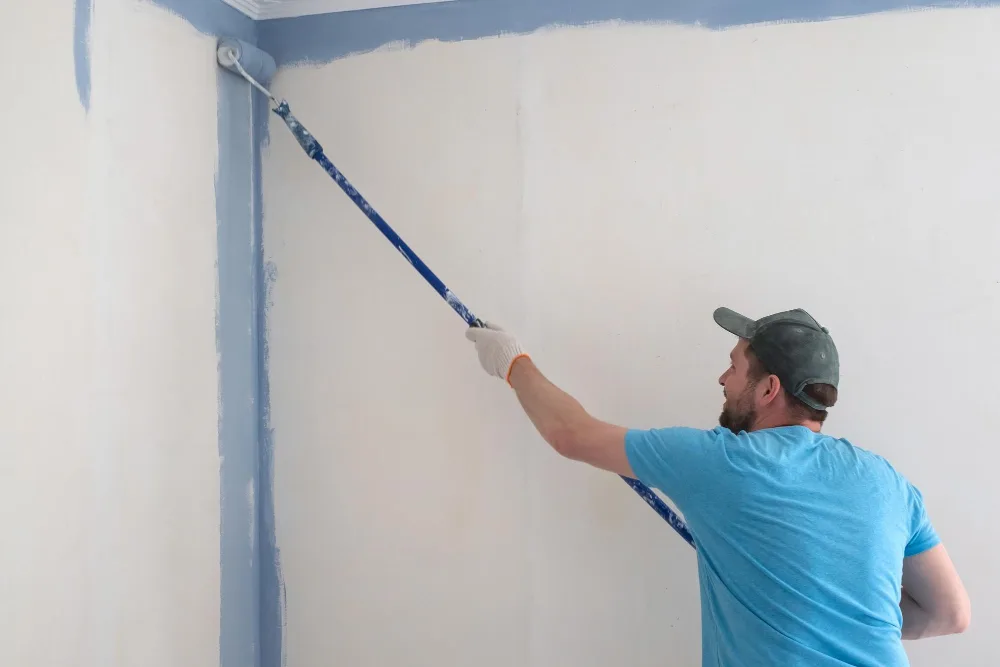
Most homeowners assume that because they are painting indoors, the weather outside doesn't matter. Unfortunately, that is not the case in Apopka Florida. The Central Florida humidity sneaks inside, affecting how your paint dries, smells, and looks.
If you're planning an interior painting in Apopka Florida project, understanding the ideal environment is the difference between a smooth, professional finish and a sticky, streaky mess. Let's look at exactly when you should pick up that brush to get the best results for your home.
Why Do Temperature and Humidity Matter?
Have you ever tried to dry a towel in a steamy bathroom? It takes forever, right? Paint works the same way. It needs the moisture in the formula to evaporate, so the binders can fuse and harden.
If it's too humid, the water in the paint gets "stuck," and the paint stays tacky. If it's too hot, the paint dries too fast, leaving brush marks because the liquid evaporates before the paint can level out.
For homeowners in Apopka and nearby areas like Winter Park, the sweet spot for interior painting is usually when indoor temperatures are between 60°F and 80°F, with humidity levels between 40% and 50%. While your AC helps regulate this, extreme outdoor weather fights against your system, making it harder to maintain that perfect balance inside.
What About Ventilation and Airflow?
Does your home need fresh air while you paint? Absolutely. Proper ventilation does two things: it helps the paint dry by moving humid air away from the walls, and it keeps you safe from fumes.
However, in Florida, opening the windows isn't always the best move. If it's 90°F with 80% humidity outside—common during our summers—opening the windows lets all that moisture rush right into your drying paint.
The best strategy is to use fans to circulate air internally while running your AC to pull moisture out of the air. If the weather is mild—say, a crisp 75°F day in November—cracking a window is great. But during the dog days of summer, keep those windows shut and let your air conditioner do the heavy lifting.
How Does Lighting Affect Color Accuracy?
Have you ever bought a shirt that looked gray in the store but blue in the sunlight? Light changes everything. When you're painting, you need to see what you're actually doing to avoid missed spots (called "holidays") or uneven coats.
Natural daylight is the gold standard for painting. It reveals the true undertones of your color. However, you also need to check your work under the artificial lights you use at night.
If you're tackling interior painting in Apopka Florida, start your project in the morning. This gives you the maximum amount of daylight to work with. If you're painting a dark hallway or a bathroom with no windows, bring in portable work lights. Standard yellow household bulbs can hide imperfections that will show up later when the sun hits them.
Exterior Painting vs. Interior: Does the Season Matter?
While exterior painting projects are strictly at the mercy of the rain and heat, interior projects offer more flexibility—but not total freedom.
The best time of year for painting inside is usually during Florida's "dry season," which runs roughly from October to May. During these months, the humidity is lower, and the temperatures are milder. This puts less strain on your AC unit as it tries to dehumidify your home while the paint dries.
Can you paint in July? Yes, but your AC will work overtime. Since standard Central Florida AC units (usually 3-5 tons) are already working hard to combat 95°F heat, adding the humidity from gallons of drying paint can strain the system. If you paint in summer, do it early in the day so the paint has time to set before the afternoon thunderstorms roll in and spike the humidity even further.
How Should You Prepare the Space?
Preparation is arguably more important than the painting itself. You wouldn't put new tires on a car with a bent axle; don't put new paint on dirty or obstructed walls.
To get a smooth finish, you need to:
- Clean the walls: Dust and oils prevent paint from sticking.
- Protect surfaces: Cover floors and furniture.
- Remove hardware: Take off outlet covers and switch plates.
This protection phase is critical. Professional interior painting services often spend about 30% to 50% of the total project time just on prep work. If you skip this, you risk peeling paint or ruining furniture.
What Are the Costs Involved?
Budgeting is a huge part of planning your project. While doing it yourself saves on labor, the materials add up quickly.
For a standard 12x12 bedroom in the Orlando area, you are looking at roughly $150 to $300 just for paint and supplies if you do it yourself. This includes:
- Primer and Paint (2 gallons): $80–$140
- Rollers, brushes, and trays: $30–$50
- Tape, drop cloths, and sandpaper: $20–$40
If you hire a professional, the cost usually ranges from $2 to $6 per square foot of floor space, depending on ceiling height and wall condition. According to HomeGuide, the average cost to paint a room professionally is between $300 and $1,000.
Is Humidity in Apopka a Dealbreaker?
Living near landmarks like Wekiwa Springs State Park means we are surrounded by water and nature, which keeps our local humidity high. Does this mean you can't paint? Not at all. It just means you have to be smarter about it.
If your indoor humidity monitor reads above 70%, wait. High humidity can cause "surfactant leaching," where ingredients in the paint rise to the surface and create brown, sticky spots.
If you're doing interior painting in Apopka Florida during the rainy season (June through September), keep your thermostat set around 72°F to help pull moisture from the air. You might even consider running a standalone dehumidifier in the room you're painting to speed up the curing process.
Creating the Ideal Environment for a Flawless Paint Job
Getting a beautiful, lasting finish on your walls isn't magic; it's about controlling your environment. By picking the right time of year, managing your indoor airflow, and respecting the humidity, you can transform your home without the headache of peeling or tacky paint.
Whether you're in a historic home near downtown Apopka or a new build off 441, the rules remain the same: Prep well, watch the weather, and let your AC help you out.
If you would rather skip the hassle of humidity checks and taping edges, let us handle it for you. We know exactly how to handle Central Florida homes.
Ready to refresh your home? Call Rusty's Painting today at (407) 312-4803 for a free estimate.