
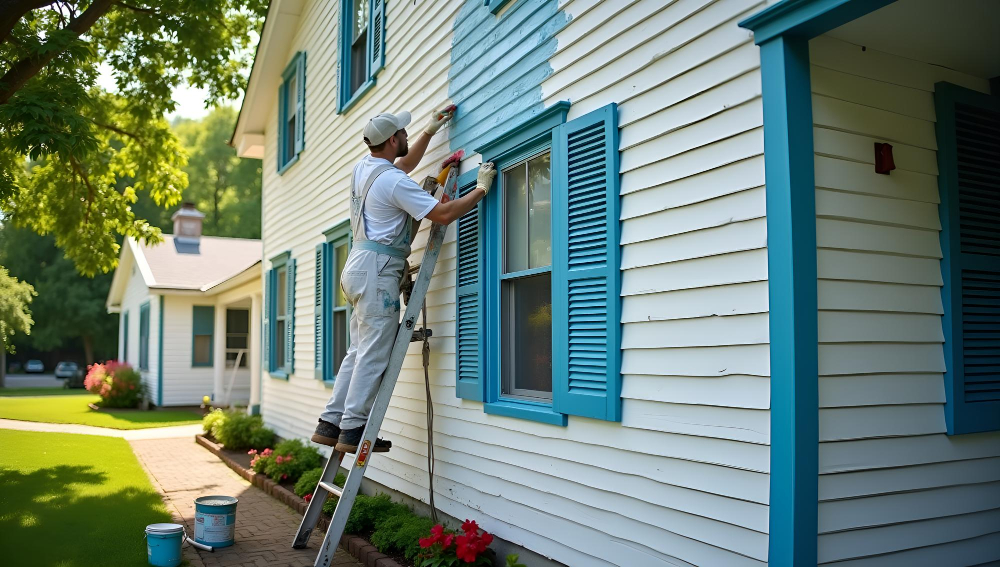
Living in the Sunshine State is a dream for many, but for your home's exterior, it's an endurance test. The intense Florida sun beats down on your siding, stucco, and trim year-round, causing standard paints to fade, crack, and blister long before their time.
Exterior painting is an investment in your home's longevity. By selecting products specifically designed to withstand high heat and UV radiation, you can save money on frequent repaints and keep your home looking vibrant. This guide will walk you through exactly what you need to know to beat the heat.
Why Does the Sun Damage Exterior Paint?
Have you ever left a plastic lawn chair out in the backyard for a summer, only to find it brittle and chalky by September? That is UV radiation at work. Sunlight attacks the chemical bonds in paint binders (the glue that holds the pigment together). When those bonds break, the paint loses its flexibility and color.
In Central Florida, where summer temperatures regularly hit 90-95°F, dark colors absorb significant heat. This causes the surface to expand rapidly during the day and contract at night. If the paint isn't flexible enough to move with the surface, it cracks. Once cracks appear, moisture from our famous afternoon thunderstorms seeps in, leading to peeling and even mold growth.
What Should You Look for in Sun-Resistant Paint?
When you're standing in the paint aisle or talking to a contractor, don't just look at the color chips. You need to look at the chemistry.
Is UV resistance a real thing?
Absolutely. High-quality exterior paints contain UV blockers, similar to sunscreen for your house. These additives prevent the sun's rays from breaking down the binder. Acrylic latex paints generally hold up better against UV radiation than oil-based alternatives because their chemical structure is more stable under sunlight.
Why does flexibility matter?
Your house moves. It expands when it's hot and shrinks when it's cool. A rigid paint will snap under that pressure. You need paint with high elasticity—often called "elongation"—that can stretch without breaking. This is critical for exterior painting in Orlando Florida, where the thermal shock from a hot sun followed by a sudden cold rain shower is a daily occurrence.
Which Paint Types Survive the Florida Heat?
Not all paints are created equal. Here is a breakdown of the three main contenders for sun-drenched homes.
1. 100% Acrylic Latex Paint
For most homeowners, this is the gold standard. It offers the best balance of cost and performance.
- Why it works: It is breathable, allowing moisture to escape without blistering, and it retains color incredibly well. It stays flexible over time, resisting the cracking that plagues older oil-based paints.
- The downside: It requires a clean, well-primed surface to adhere properly.
2. Elastomeric Paint
Think of this as a thick, rubbery coating rather than just paint.
- Why it works: It is incredibly thick—often applied 10 times thicker than standard paint. It creates a waterproof seal that bridges small cracks and creates a barrier against wind-driven rain.
- The downside: It is expensive and can be tricky to apply. If moisture gets trapped behind it, it can cause major bubbling issues. It’s often used on stucco surfaces common in Kissimmee and Clermont.
3. Oil-Based Paint
- The verdict: generally, avoid this for large exterior surfaces in Florida. While it provides a hard, durable shell, it gets brittle over time. The sun yellows the resin, and because it creates a non-breathable seal, it doesn't handle our humidity well.
Top Paint Brands for Florida Homes
We trust specific products because we see how they perform five, seven, and ten years down the road.
- Sherwin-Williams Super Paint: A favorite for many professionals. It offers excellent coverage and durability against the elements.
- Benjamin Moore Aura Exterior: This is a premium option known for its "Color Lock" technology, which is fantastic if you want a deep, rich color that won't fade to pastel in two years.
- PPG Permanizer: This product is marketed specifically for its ability to resist cracking and peeling, making it a strong contender for stucco homes.
Preparing Your Home for the Sun
You can buy the most expensive paint in the world, but if you apply it to a dirty or chalky surface, it will fail. Preparation is 80% of the job.
1. Pressure Washing is Non-Negotiable
Before a drop of paint touches your house, you must remove the layer of dirt, pollen, and chalky residue that builds up. In our humid climate, mold and mildew are also constant threats. A thorough cleaning ensures the new paint bonds to the wall, not the dirt.
2. Seal the Cracks
Inspect your siding or stucco for hairline cracks. Use a high-quality masonry caulk to seal them. If you skip this, water will find a way in, and the sun will heat that trapped water, pushing the paint off the wall from the inside out.
3. Prime the Surface
Primer acts as the anchor. If you're painting over a chalky surface or making a drastic color change, a dedicated bonding primer is essential. It provides a uniform surface for the topcoat to grip.
Application Tips for Hot Weather
Painting in full sun is a recipe for disaster. If the surface is too hot, the paint dries instantly, preventing it from leveling out. This leads to brush marks and poor adhesion.
- Chase the shade: Plan your work to follow the shade around the house. Paint the west side in the morning and the east side in the afternoon.
- Watch the temp: Ideally, paint when temperatures are between 60°F and 85°F. In Orlando, this often means tackling interior painting during the summer and saving the exterior work for our drier, cooler months between October and May.
Maintenance: Keep It Looking New
Routine maintenance can extend the life of your paint job by years.
- Wash it down: Give your house a low-pressure wash once a year to remove salt (if you're near the coast) and pollutants.
- Trim the vegetation: Keep bushes and tree limbs trimmed back. Plants holding moisture against hot paint can accelerate decay.
How Much Does It Cost?
Budget is always a major factor. For exterior painting in Orlando Florida, costs can vary based on the size of your home and the prep work needed. Generally, professional exterior painting for an average 2,500 sq ft home ranges from $3,000 to $7,000. This usually includes pressure washing, prep, materials, and labor. While DIY might seem cheaper, the cost of specialized equipment (like tall ladders and sprayers) and the risk of working in the heat often make hiring pros the smarter choice.
Conclusion
Your home protects you from the elements; return the favor with a high-quality shield. By choosing a 100% acrylic latex or elastomeric paint and focusing on proper preparation, you can ensure your home stands out beautifully in the Seminole County sun for years to come.
Don't let the heat ruin your investment. If you want expert advice on the specific needs of your home, we are here to help. Contact Rusty's Painting at (407) 312-4803 today for a consultation and get your home looking its best.