
· by Hanna Carolina · 6 min read
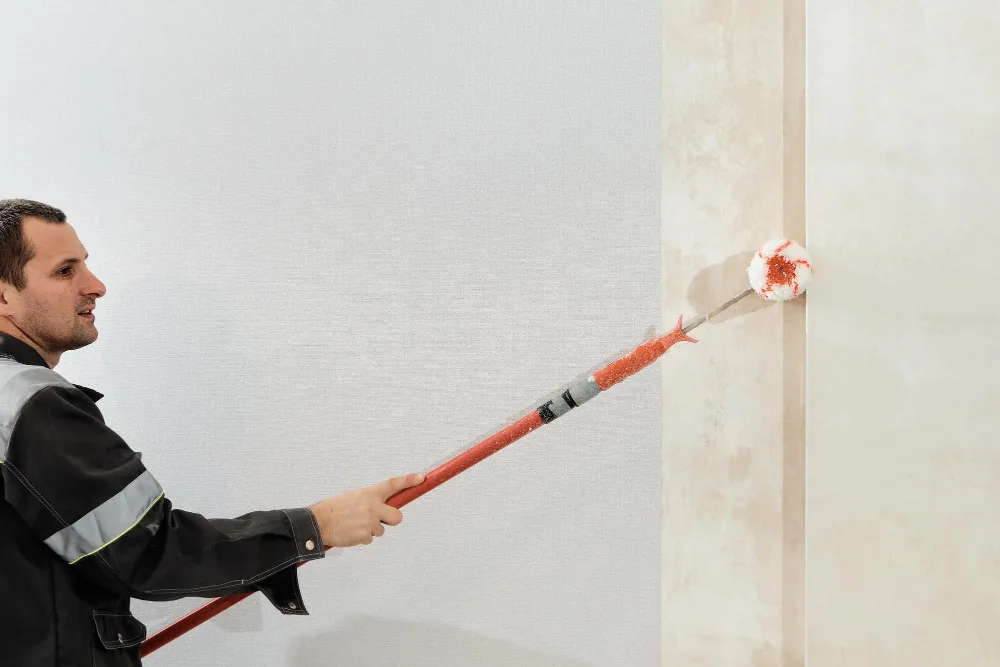
We have all been there—staring at a wall of paint swatches in a hardware store, dreaming about how a new color will transform the living room. It is easy to get excited about the final look, but the secret to a professional finish is not in the painting itself. It is in the preparation.
Living here in Central Florida, we know our homes deal with unique challenges, from high humidity to the bright sunshine streaming through the windows. While exterior painting takes the brunt of the weather, your inside walls take a beating from everyday life. Scuffs, grease, and dust can ruin a new paint job before it even dries. If you skip the prep work, you're essentially building a house on a shaky foundation.
Proper wall preparation separates a quick weekend DIY disaster from a sleek, long-lasting finish that looks like you hired a pro. Whether you live in a historic bungalow in Winter Park or a new build in Lake Nona, the steps remain the same. Here is how to get your walls ready for the best interior painting in Orlando Florida has to offer.
What tools do I need to get started?
You need to gather high-quality supplies before you open a single can of paint because stopping halfway through to run to the store is a momentum killer. Having the right gear on hand saves you time and ensures you're not cutting corners.
To prep your walls correctly, you will need:
- Spackle and a putty knife: For filling nail holes and minor dings.
- Sandpaper (120-grit) and a sanding sponge: To smooth out repairs and rough up glossy surfaces.
- Painter’s tape: Do not buy the cheapest roll; get high-quality blue or green tape to protect your trim.
- Tri-Sodium Phosphate (TSP) or a mild degreaser: Essential for cleaning kitchen walls or areas with heavy traffic.
- Primer: Think of this as the glue that holds the paint to the wall.
- Drop cloths: Canvas is better than plastic because it absorbs spills rather than letting them pool.
Depending on the size of your room, you can expect to spend about $50 to $100 on preparation materials alone. This might seem like an annoying extra cost, but compared to the price of premium paint, it's a small insurance policy for a great result.
Why do I need to clean my walls before painting?
Paint cannot bond to dust, dirt, or grease, so applying paint over a dirty wall is a recipe for peeling. Over time, walls collect a surprising amount of grime. In kitchens, cooking oils settle on surfaces; in hallways, hands leave behind oils and dirt; and in every room, dust settles on baseboards and corners.
In Orlando, our high humidity—often hovering between 70-80%—can make dust stick to walls more stubbornly than in drier climates. If you paint over this layer, the paint will adhere to the dirt, not the drywall.
Mix a small amount of mild detergent or TSP with warm water. Use a sponge to wipe down the walls, starting from the bottom and working your way up to avoid streaking. Pay extra attention to areas near light switches and door frames where fingerprints accumulate. Allow the walls to dry completely before moving on. In our humid climate, this might take 3 to 4 hours, or even longer if you do not have the AC running.
How do I repair holes and cracks?
Smooth walls are the canvas for a perfect paint job, so you must fill every imperfection. Even tiny nail holes from old picture frames will show through a fresh coat of paint like a spotlight.
Take your putty knife and scoop a small amount of spackle. Press it into the hole, then swipe across it to level it out. Don't worry if it looks a bit messy or raised; you will sand it down later. For larger cracks, you might need to apply a mesh patch before spackling to prevent the crack from reappearing.
Why does this matter? Fresh paint has a way of highlighting flaws rather than hiding them. A little bit of effort here ensures your interior painting in Orlando Florida looks crisp and smooth.
Do I really have to sand the walls?
Sanding is the step most homeowners want to skip, but it's the step that makes the biggest difference in the final texture. Sanding serves two purposes: it smoothes out the spackle repairs you just made, and it "roughs up" the existing paint slightly to help the new coat stick.
Once your spackle is dry (usually 1 to 2 hours), use a fine-grit sandpaper (120-grit is standard) to sand the repaired spots until they are flush with the wall. Run your hand over the spot with your eyes closed. If you can feel the bump, you will see the bump once it's painted.
After spot-sanding repairs, lightly sand the rest of the walls, especially if the previous paint has a gloss or semi-gloss finish. This is crucial for interior painting because glossy surfaces are slippery. Sanding creates microscopic scratches that grab onto the new paint. After sanding, do not forget to wipe away the dust with a damp cloth or a tack cloth. If you leave the dust, your paint will have a gritty texture.
Is primer actually necessary?
Primer is not just "white paint," it's a specialized undercoat designed to seal the wall and provide a uniform surface. While paint-and-primer-in-one products are popular, they are not always the magic bullet marketing claims them to be.
You absolutely need to use a dedicated primer if:
- You are painting over a dark color with a light one.
- You are painting over raw drywall or fresh spackle (spackle absorbs paint differently, leading to dull spots).
- The walls have stains from water damage, smoke, or crayons.
- You are switching from an oil-based paint to latex.
Applying a coat of primer ensures that your topcoat looks vibrant and consistent. According to industry experts, up to 80% of coating failures are caused by improper surface preparation, including skipping primer. By taking the time to prime, you ensure your paint job lasts for years, rather than peeling or fading prematurely.
Getting the job done right
Prepping your walls takes time, patience, and a bit of elbow grease. It is the unglamorous part of home improvement, but it's the foundation of a beautiful home. Whether you're refreshing a bathroom in Baldwin Park or updating a kitchen in Oviedo, following these steps will ensure your walls look professionally finished.
We know that for many busy homeowners, finding the time to wash, sand, and prime an entire room is difficult. The heat and humidity in Central Florida can make manual labor exhausting, and missing a single step can compromise the whole look.
If you want the stunning results of interior painting in Orlando Florida without the headache of doing the prep work yourself, we are here to help. We handle every inch of the preparation process so you can simply enjoy the transformation.
Contact Rusty's Painting today at (407) 312-4803 to schedule your consultation. Let’s make your home beautiful again.