
· by Hanna Carolina · 6 min read
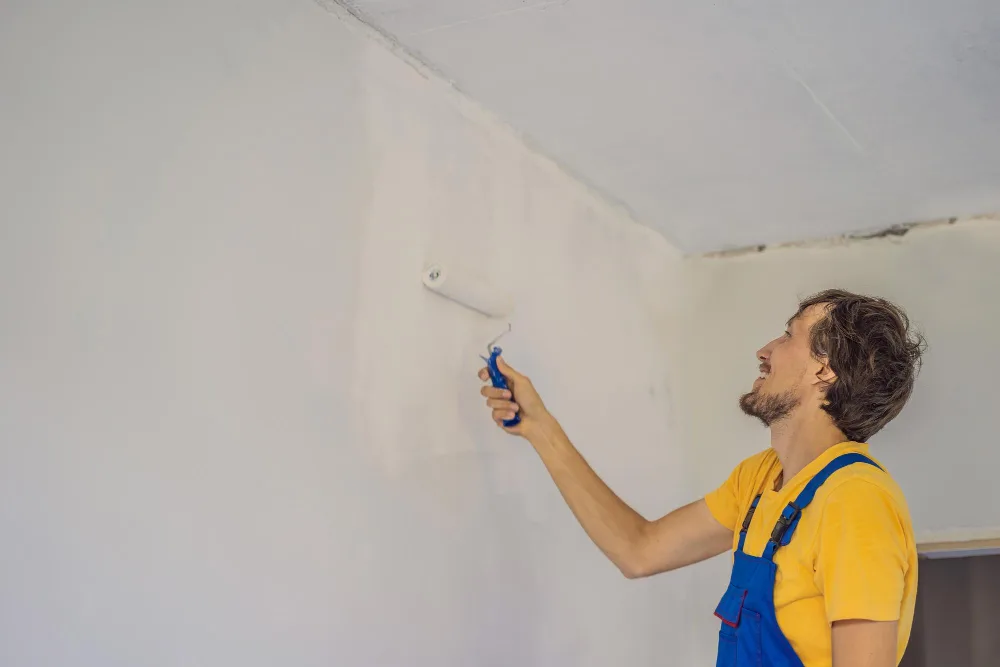
You have picked out the perfect color, bought the brushes, and set aside a Saturday to refresh your home’s curb appeal. It’s a beautiful, bright morning in Winter Park, and the sun is beaming down. It feels like the perfect day to get to work, right?
Many homeowners assume that a hot, sunny day will help the paint dry faster, getting the job done quicker. While it’s true that the sun speeds up drying, that isn't always a good thing. In fact, tackling exterior painting in direct sunlight can lead to blistering, peeling, and a finish that fails years before it should.
Here is why ignoring the sun’s position can wreck your project and how to get a flawless finish despite the Central Florida heat.
How does the sun actually damage wet paint?
Have you ever tried to cook an egg on a scorching hot sidewalk? The bottom burns before the top is even cooked. A similar chemical reaction happens when you paint a wall that has been baking in the sun.
Paint needs to dry at a specific pace to bond correctly to the surface. It contains solvents (liquids) and binders (solids). As the paint dries, the solvents evaporate, leaving the binders to form a hard, protective shell.
When you apply paint to a surface that is hot from direct sunlight, the solvents evaporate almost instantly—a process pros call "flash drying." This prevents the paint from adhering properly to the siding or stucco.
Why it matters:
If the paint dries too fast, it traps vapors underneath the surface. As those vapors try to escape, they create unsightly bubbles and blisters. Instead of a smooth, durable barrier, you end up with a brittle coat that can crack and peel within months.
Why is the Florida sun tougher on paint jobs?
If you live in Baldwin Park or Lake Nona, you know our weather is unique. We aren't just dealing with heat; we are dealing with intensity.
In Orlando, average summer temperatures hover between 90°F and 95°F. However, the surface temperature of a wall in direct sunlight can be 10 to 20 degrees hotter than the air temperature. If it's 95°F outside, your wall could be well over 110°F. Many paint and primer products specify moderate application temperatures—often around 50°F to 85°F—to ensure proper drying and adhesion.
Combined with our high humidity levels—often sitting at 70-80%—this creates a hostile environment for paint application. The heat tries to snap-dry the surface, while the humidity tries to keep it wet. This tug-of-war weakens the structural integrity of the paint film.
Does the sun affect interior painting in Orlando Florida?
You might think that if you're painting inside, the weather outside doesn't matter. Surprisingly, the sun still plays a role.
If you're planning interior painting in Orlando Florida, consider which rooms get the most natural light. Strong sunlight beaming through a large window can heat drywall significantly. If you apply paint to a hot patch of drywall, you might see "lap marks"—uneven stripes where the wet paint overlapped with the dry paint because it set too quickly.
Furthermore, humidity is an issue for interior painting as well. If your AC isn't managing the moisture in your home effectively, your interior paint may take much longer to cure, remaining tacky and soft for days.
When is the best time to paint your house?
The secret to a perfect finish in Central Florida isn't just how you paint, but when. You have to chase the shade.
For exterior projects, you want to work on the side of the house that is currently in the shadow. This usually means:
- West-facing walls: Paint these in the morning.
- East-facing walls: Paint these in the late afternoon.
- North and South walls: Check the shadows throughout the day.
We generally recommend scheduling large painting projects during the "dry season" from October to May. During these months, the temperatures are milder (typically in the 70s and 80s), and the risk of those sudden afternoon thunderstorms is lower.
What type of paint survives the sunshine?
Not all paints are created equal, especially when UV rays are involved. Using cheap paint in Florida is like buying a winter coat for a tropical vacation—it just won't work.
For exterior surfaces, high-quality 100% acrylic latex paint is usually the best choice. It is flexible, meaning it can expand and contract with the siding as the temperature changes without cracking. It also holds its color better against UV fading compared to oil-based paints, which tend to become brittle and chalky over time.
Why it matters:
Proper surface preparation is just as vital as the paint you choose. If you paint over a chalky, sun-damaged surface without cleaning and priming it first, the new topcoat will just peel right off.
Avoiding the "DIY Disaster"
We have seen it happen in neighborhoods from Clermont to Windermere. A homeowner decides to save money by doing their own interior painting in Orlando Florida or tackling the exterior trim on a Sunday afternoon.
They start at noon when the sun is highest. By 2:00 PM, the paint on the brush is getting gummy. By 3:00 PM, the finish looks streaky. Two weeks later, the paint on the sunny side of the house starts to flake off.
While DIY projects can be rewarding, the cost of fixing a failed paint job is often double the cost of doing it right the first time because you have to strip the bad paint before you can start over.
Ready for a flawless finish?
Painting in the Sunshine State requires strategy, timing, and the right materials. You shouldn't have to stress about humidity percentages or surface temperatures just to get your house looking good.
We are the local experts you trust to handle the heat. We know exactly how to prep your home and apply the perfect coat so it stands up to our Orlando weather for years to come.
Need help with exterior or interior painting in Orlando Florida? Let us handle the hard work for you.
Contact Rusty's Painting today at (407) 312-4803 for your free estimate.