
· by Donna Dosado · 6 min read
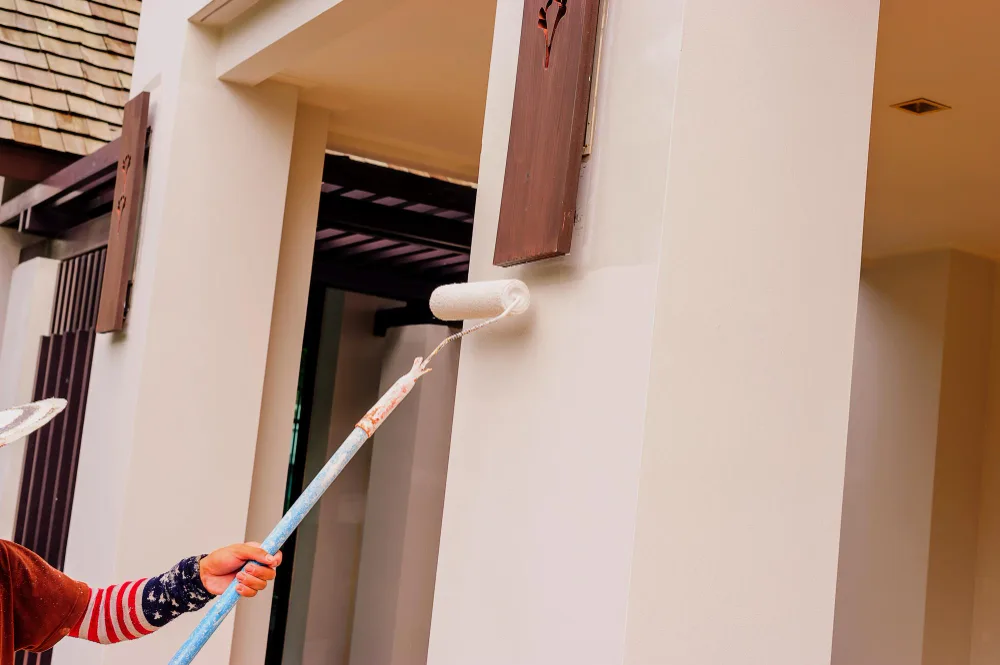
Your home's exterior paint is its first line of defense against the Florida elements. It shields your house from blistering sun, heavy rain, and high humidity. But that protection doesn't last forever without a little help. This guide will walk you through how to maintain your home’s paint job throughout the year, so it looks great and holds up for a long time. By following these seasonal tips, you can protect your investment and keep your home looking its best.
Taking care of your paint is a bit like maintaining your car. You wouldn't drive it for years without changing the oil or checking the tires. The same principle applies to your home. Regular, simple maintenance can prevent small issues from turning into big, expensive problems. A small touch-up now can save you from a full repaint costing upwards of $5,000 down the road. Let's look at how you can care for your home's exterior paint each season.
How Should You Care for Your Paint in the Spring?
In the spring, you should inspect your home's exterior for any damage that winter's cooler, damp weather may have caused. Look for peeling, cracking, or blistering paint, especially on wood trim and siding. This is also the perfect time for a gentle cleaning to wash away the pollen and grime that have built up.
Why this matters: Florida’s spring brings a blanket of yellow pollen that can stick to your home’s exterior. If left uncleaned, this pollen can mix with moisture and create a breeding ground for mold and mildew. Identifying paint failure early allows you to address it before the summer rains make the problem worse. A small crack can let water seep into your walls, leading to wood rot and structural damage that is far more expensive to fix than a simple paint touch-up.
Start by walking around your home and taking notes. Check areas that get a lot of shade, like under eaves and on the north side of your house, as these spots are prone to mildew. Pay close attention to wood surfaces like window sills, door frames, and fascia boards, as they are often the first to show signs of wear. If you find small areas of peeling paint, you can gently scrape them, sand the edges smooth, prime the bare spot, and apply a fresh coat of matching paint. For cleaning, a simple solution of water and a mild detergent is usually enough. Use a soft-bristle brush or a pressure washer on a low setting to avoid damaging the paint.
What Maintenance Does Your Paint Need in the Summer?
Summer maintenance is all about protecting your paint from intense sun and managing moisture from frequent thunderstorms. You should focus on trimming back any vegetation that touches your house and ensuring your gutters are clear and functioning correctly.
Why this matters: The brutal Florida sun can cause paint to fade and break down over time. This process, called photo-degradation, weakens the paint’s protective layer, making it chalky and less resistant to moisture. Bushes and tree branches rubbing against your siding can scrape off paint, creating an entry point for water and insects. Clogged gutters from afternoon storms, like the ones that roll through every summer afternoon near Lake Apopka, can cause water to overflow and run down your walls. This constant moisture can lead to peeling paint and stains.
During the summer, trim any plants so there are at least 12-18 inches of clearance between them and your house. This simple step improves air circulation, allowing your siding to dry out faster after a storm, which helps prevent mildew growth. It also makes it harder for pests to find a bridge to your home. Inspecting your gutters after a heavy rain is a good way to see if they are working properly. If you see water spilling over the sides, it’s time for a cleaning. A well-maintained gutter system directs water away from your home’s foundation and walls, protecting both your paint and your home's structural integrity.
What Should You Do for Your Paint in the Fall?
As the weather cools down, fall is the ideal time to handle any larger painting projects or repairs you identified earlier in the year. The lower humidity and moderate temperatures create perfect conditions for paint to cure properly.
Why this matters: Painting in the fall, when humidity is lower, allows the paint to form a stronger, more durable bond with the surface. Trying to paint during the humid summer months can trap moisture under the paint film, leading to blisters and premature peeling. Addressing repairs before winter sets in ensures your home is sealed and protected from the cooler, damp conditions ahead.
If you noticed significant peeling or widespread cracking during your spring inspection, fall is the time to call in professional exterior painters in Apopka, FL. An expert can properly prepare the surface by scraping, sanding, and priming, which is essential for a long-lasting finish. They will use high-quality caulk to seal gaps around windows and doors, preventing drafts and moisture intrusion. If you're tackling smaller touch-ups yourself, ensure you're using a top-quality exterior paint and primer. The investment in better materials pays off with a finish that can withstand Florida’s climate for years.
How Can You Protect Your Paint During the Winter?
Winter in Central Florida is mild, but it's still important to keep an eye on your home's exterior. This season is about continued vigilance, making sure your home remains clean and that no new issues have popped up.
Why this matters: Even though we don't have to worry about snow and ice, the cooler temperatures and occasional freezes can still affect your paint. Morning dew and lingering moisture can encourage mildew growth, especially in shaded areas. Keeping your home clean and your gutters clear remains a priority.
Give your home another gentle wash if needed to remove any dirt or mildew that has accumulated. This is also a good time to inspect any repairs you made in the fall to ensure they are holding up well. A quick walk around your property after a windy day to check for any new debris or damage is a simple habit that can pay dividends. Think of it as a final check-up before the cycle begins again in the spring.
Let the Experts Handle It
Maintaining your home's exterior paint is a year-round job, but it doesn't have to be overwhelming. By breaking it down into these seasonal tasks, you can protect your home and keep it looking beautiful for years to come.
If you find that the job is bigger than you want to handle, or if you want the peace of mind that comes with a professional finish, our team is here to help. If you're looking for experienced exterior painters in Apopka, FL, contact Rusty's Painting today to request a free, no-obligation estimate.