
· by Hanna Carolina · 7 min read
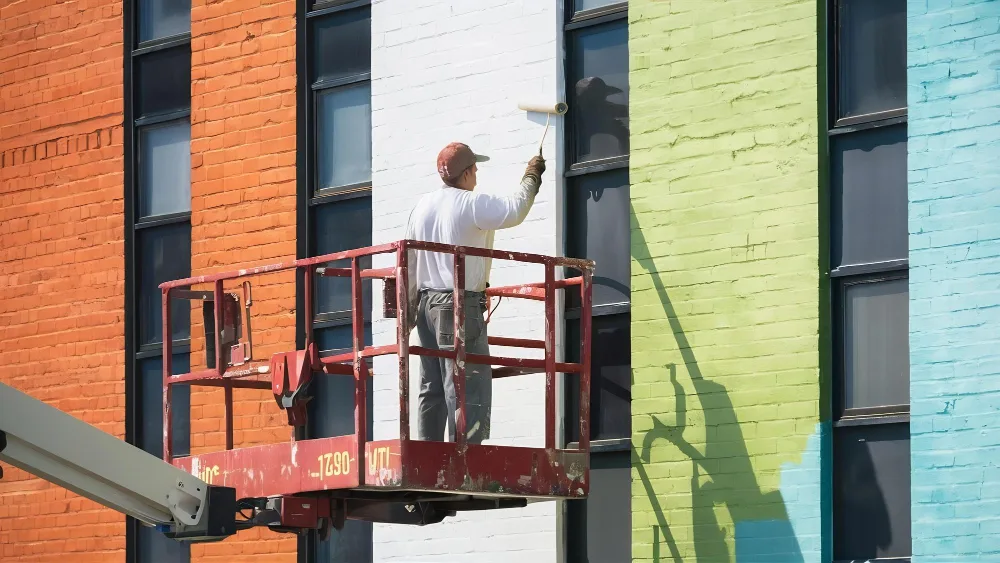
Living in Central Florida means dealing with weather that can change in a heartbeat. One minute you're enjoying the sunshine in Winter Park, and the next, you're sprinting to your car to escape a torrential downpour. While this tropical climate is great for our gardens, it makes home maintenance a bit of a puzzle. This is especially true when you're trying to figure out the right time to give your home a fresh look.
You might think any sunny day is a good day to paint, but painting in Florida requires a bit more strategy. The combination of scorching heat, high humidity, and daily thunderstorms can ruin a paint job before it even dries. If you want your investment to last, timing is everything. Choosing the right month can mean the difference between a finish that peels in a year and one that looks beautiful for a decade.
When is the best time to paint in Florida?
The short answer is the dry season. For homeowners looking for the best results, late October through April is the "sweet spot" for painting.
Why these months? It comes down to science. Paint needs a specific environment to bond correctly to your home's stucco or wood. During the late fall, winter, and early spring, the humidity drops, and the chance of rain decreases significantly.
If you are planning exterior painting in Apopka, Florida, weather patterns suggest that aiming for November or March often gives you the best balance of mild temperatures and clear skies. These months usually offer the comfortable weather needed for the paint to cure properly, without the stress of an afternoon storm washing it away.
Why does the weather matter so much?
You are not just applying color; you're applying a protective shield to your home. If that shield doesn't stick properly because of the weather, moisture can get in and cause expensive damage like mold or wood rot.
How does temperature affect paint?
Most paint manufacturers recommend applying their products when the temperature is between 50°F and 85°F. In Orlando, our average summer temperatures hover around 90-95°F. When it gets that hot, the paint dries too quickly.
If the paint dries too fast, it doesn't have time to bond to the surface. It can lead to cracking, blistering, and uneven texture. This is a common issue we see when people try to tackle exterior painting in the middle of July. The surface of your wall can be 10 to 20 degrees hotter than the air temperature, effectively baking the paint the moment it touches the house.
What about humidity?
We all know that thick, sticky feeling of Florida air. The humidity is roughly 70-80% during our summers. High humidity introduces moisture into the drying process. Water-based paints need water to evaporate to dry, but if the air is already full of water, that evaporation slows down to a crawl.
If you paint when it's too humid, the paint might stay soft for too long, attracting dirt, dust, and insects. It can also cause "surfactant leaching," where brown, soapy-looking streaks appear on your walls.
The impact of rain
This is the biggest wildcard. Orlando gets 50+ inches of rain per year, which is more than Seattle! During the rainy season (June through September), afternoon thunderstorms are almost a guarantee.
If it rains on wet paint, the water can wash the resin out of the coating, ruining the finish. Even if it rains an hour after the paint feels dry to the touch, it can still damage the curing process. We always recommend watching the radar closely. If you see those dark clouds rolling over I-4, it's time to pack up the brushes.
What are the seasonal challenges?
Every season in Central Florida brings a unique set of obstacles. Understanding these can help you plan your project and avoid frustration.
Summer (June–September)
Summer is the toughest time for exterior painting Apopka Florida, residents can face. You are fighting a war on two fronts: extreme heat and daily rain. The window of opportunity to paint is very small. You usually have to start at sunrise and stop by noon to avoid the hottest part of the day and the 2:00 PM storms.
However, summer is a fantastic time for interior painting. Since you're working in a climate-controlled environment, you don't have to worry about the weather outside. It’s a great way to spruce up your home while staying cool.
Winter (December–February)
Winter is generally excellent, but we do have to watch the thermometer. On those rare occasions when a cold front moves through and temperatures drop below 50°F, we have to pause. Latex paint has trouble forming a film in cold weather.
Fortunately, our winters are usually mild, with temperatures in the 70s and 80s, making it a very popular time for renovations in neighborhoods like Lake Nona and Windermere.
How should you prepare your home?
Because our climate is so harsh, preparation is more important here than in other parts of the country.
- Pressure Washing: Florida’s heat and humidity are breeding grounds for algae and mildew. Before a drop of paint goes on, the house needs a thorough chemical clean and pressure wash. If you paint over mold, it will just eat through the new paint in a few months.
- Sealing Cracks: Stucco homes often develop hairline cracks. Water can seep into these cracks and damage the concrete block behind them. We seal these with high-quality elastomeric caulk to waterproof the structure.
- Checking the Moisture: A professional will check the moisture content of the walls. Even if it hasn't rained in two days, the sprinklers might have soaked the walls that morning.
What type of paint works best in Florida?
Not all paints are created equal. In our region, you need a product that can handle intense UV radiation and heavy rain.
We typically recommend 100% acrylic latex paint. It is flexible, meaning it can expand and contract with the temperature changes without cracking. It is also breathable, allowing moisture vapor to escape from inside the home without letting rain in.
For the best protection, look for paints specifically labeled as "fade resistant." The Florida sun is brutal on colors, especially darker shades. A high-quality paint can cost between $1.50 and $4 per square foot.
Is there a specific best week?
While it's impossible to predict the weather perfectly, historical data suggests that March and November are the champions of the calendar.
March is often dry and mild before the heat kicks in. November brings lower humidity after the hurricane season ends on November 30th. If you schedule your exterior painting Apopka Florida project during these windows, you're setting yourself up for success.
Don't fight the weather, work with it
Painting your home is a big job, but it's one of the best ways to protect your biggest asset and boost your curb appeal. By choosing the right time of year, you ensure that your home looks fresh and stays protected against the elements.
If you're unsure about the forecast or just want to make sure the job is done right without the hassle, give us a call. We know this weather better than anyone.
For a free estimate and expert advice on your next project, contact Rusty’s Painting at (407) 312-4803. Let’s get your home looking its best, rain or shine.