
· by Donna Dosado · 4 min read
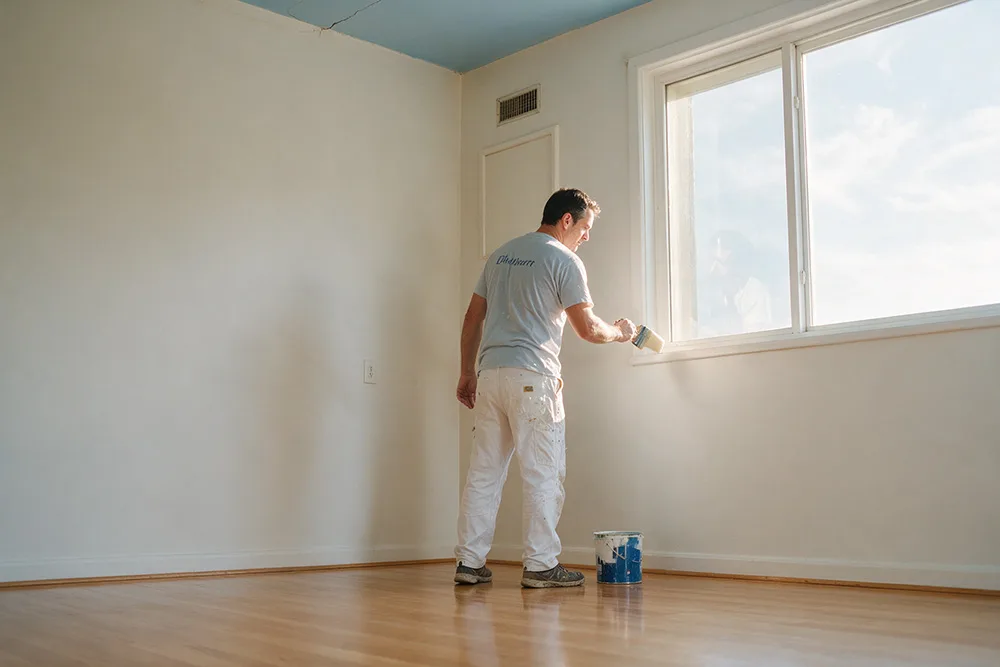
A community-wide repaint is one of the largest projects an HOA board manages, and the ones that go badly tend to go badly for the same reasons: undefined scope, a contractor who cannot meet the timeline, or residents who feel blindsided by disruption. None of those problems are inevitable. Contact Rusty's Painting at (407) 312-4803 to talk through how a community repaint gets planned and managed from the start.
Where do most HOA repaints go wrong before a painter even shows up?
Scope definition. The most common and expensive problem on a large community repaint is scope creep: the gradual expansion of what the painting contractor is expected to do beyond what was originally agreed. On a project covering dozens or hundreds of homes, undefined expectations compound quickly. Decisions that seem small on a single house, whether a drip edge gets painted, how accent trim is handled, what constitutes a complete finish on each elevation, multiply across every unit in the community.
A clearly written scope document with defined painting parameters, expectations for each layout type in the community, and agreed-upon closeout procedures is what prevents this. Rusty's Painting works with HOA boards before mobilization to establish those parameters in writing, because once production begins across a community of even moderate size, there is no practical way to resolve ambiguous scope questions unit by unit. Most communities have between five and twelve distinct home layouts. Once the scope and process are established for the first run through each one, the rest of the project runs consistently. See our commercial and community project approach for more on how large-scale projects are structured.
What actually creates the most friction with residents during a community repaint?
Production interfering with daily life beyond the tolerance residents have for it. A community will accept a certain level of construction activity for a defined and reasonable period. When a project runs long, when crews are on site at unexpected hours, or when the same areas get revisited repeatedly due to rework or poor sequencing, residents who were initially patient become a source of ongoing board complaints that the contractor is not equipped to manage.
The practical prevention is manpower. Adequate crew size and supervision from the start means production moves at a pace that keeps disruption inside the window residents can accept. Rusty's Painting puts more supervision and crew on HOA projects specifically because the timeline is not just a contract requirement. It is what keeps a community from turning against its own board over a repaint.
How does your team handle direct contact with residents during the project?
Foremen and Project Managers are expected to communicate with residents in a professional and respectful manner throughout. This is not a soft expectation. Rusty's Painting enforces it as policy on HOA and multi-family projects because the relationship between a painting crew and the people living in the community directly affects how much friction the board has to manage. A crew that is courteous, moves cleanly through an area, and communicates clearly when they will be working in a given section generates a completely different resident experience than one that does not.
What should a board know about Florida sun, color selection, and realistic timelines before starting?
On sun exposure: north-facing walls and surfaces retain color the longest because they receive the least direct sunlight throughout the year. North-facing roof surfaces get the dirtiest for the same reason. All paint fades in Florida. Higher-quality products slow that timeline considerably, which matters for a community that does not want to repaint every few years.
On color: darker colors fade faster than neutrals. The roof color should be a starting point for the palette, not an afterthought, because clashing a house color with the existing roof creates a problem that cannot be fixed without reroofing. Darker colors need a gray-tinted primer before the finish coat to perform correctly. Painting the drip edge a different color than the fascia adds a clean architectural detail that reads as intentional rather than standard.
On timelines: a single exterior house repaint takes about three days under normal Florida weather conditions. Architectural banding or accent details add a day. Interior repaints of an 1,800 square foot home, covering ceilings, walls, trim, baseboards, and doors, take about five days. Larger homes or multi-story units extend from there. Reach out to Rusty's Painting to get a realistic timeline and scope estimate for your community before your board commits to a repaint schedule. Call (407) 312-4803.