
· by Donna Dosado · 3 min read
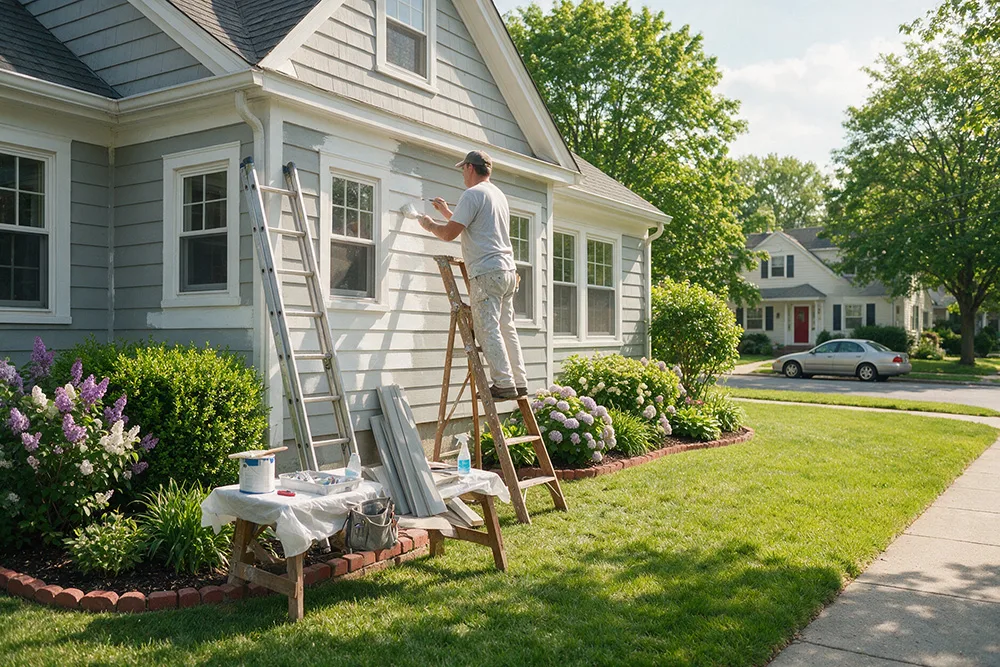
The most common approach to exterior painting on a managed property is to wait until the paint looks bad. It is also one of the more expensive approaches, because by the time paint looks bad, the surface underneath it has usually been unprotected for months. Contact Rusty's Painting at (407) 312-4803 to talk through a scheduled maintenance painting plan for your properties.
Why do property managers who are good at their jobs repaint on a schedule?
Aesthetics drive perception, and perception drives occupancy. A building that looks maintained tells tenants and prospects that it is maintained. That connection is not superficial. A building whose exterior paint is visibly aging signals to anyone approaching it that the standards of management may be similarly aged. Property managers who understand this do not wait for visible deterioration before acting. They understand that the appearance of the building is part of what they are selling.
There is also a structural argument. Paint does not just provide color. It is the barrier that protects substrates from water intrusion, UV degradation, and physical wear. When a paint coat fails, it typically begins failing months before the failure is visible from the outside. For those months, moisture, environmental elements, and corrosion are working on the surface underneath without anything stopping them. Addressing the paint before it fails prevents the repair costs that come with substrate damage, costs that a fresh paint schedule would have made unnecessary. This is one reason the commercial clients of Rusty's Painting who get the most value from the relationship are the ones who treat painting as infrastructure maintenance rather than cosmetic improvement.
What does putting off painting actually cost a property beyond the visible decline?
The visible decline costs something in tenant perception and prospective tenant first impressions. But the less visible cost is the substrate repair that catches up to neglected paint. Wood trim that goes unprotected long enough does not just need repainting. It needs replacement. Concrete and masonry surfaces that lose their protective coating allow water intrusion that leads to staining, spalling, and eventually structural repair needs that dwarf what a timely paint job would have cost.
The paint warranty compounds this. Most manufacturer warranties on commercial and residential paint products require proper surface preparation, correct primer application, and application within specified environmental conditions. An improperly maintained surface voids the warranty on the paint above it. A property manager who allows the painted surface to fail through neglect loses both the warranty protection and the surface protection simultaneously.
How do you structure ongoing painting for a property manager juggling multiple buildings?
The process is designed to require as little of the property manager's time as possible once the scope is established. Rusty's Painting takes a defined scope, a defined timeline, and any project-specific requirements and builds the management structure around them internally. A Project Manager owns the project. Communication is maintained at whatever frequency the property manager needs without requiring them to be present for decisions that the crew and management can make independently.
The closeout process mirrors the rest: Rusty's Painting does an internal walkthrough with the Foreman before reaching out to the property manager. By the time the manager is asked to sign off, the project is ready. The total time commitment for a property manager on a well-run painting project is a couple of hours from start to finish, not a series of site visits and approval conversations. Contact Rusty's Painting to set up a scheduled painting program across your managed properties. Call (407) 312-4803.